
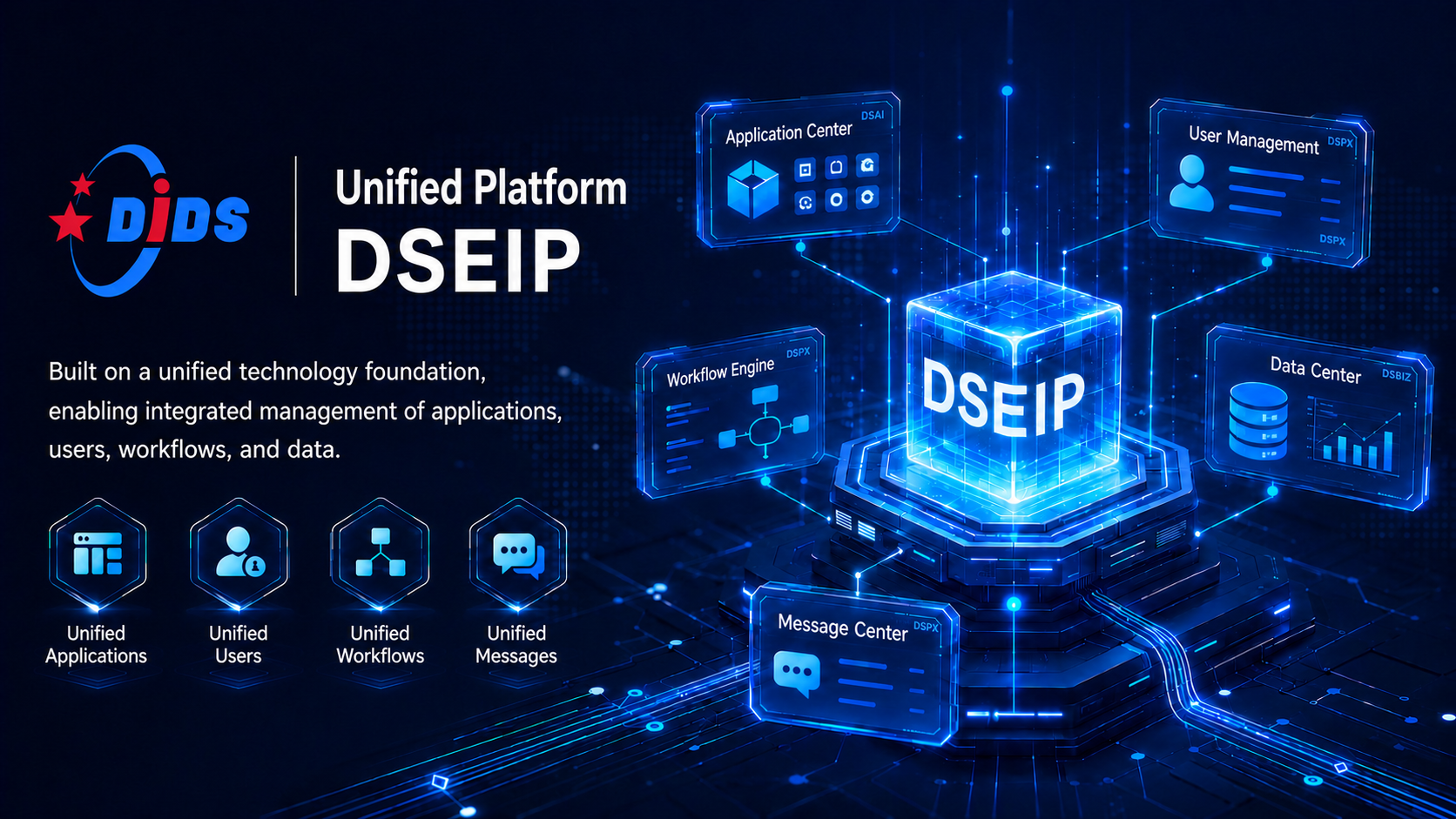
DSP enterprise digital intelligence platform: a unified base for application development and operation management
DSP integrates business models, pages, processes, rules, APIs, permissions, versions and runtimes into a unified platform; DSPX reads these real contexts, completes application planning, construction, verification and delivery through dialogue, and supports front-end and back-end source code level expansion.
Enterprise application basePlatform native development channelConversational application developmentSource level extensionscontrolled changeRun verificationObservable operation and maintenancePrivate deployment
DSP
Enterprise digital intelligence platform
DSPX
Conversational application development
assets
Model, page, API, process
Source code
Deep expansion of front-end and back-end
run
Application readback and portal verification
governance
Verification, permissions, auditing, rollback
Unified metadata + application runtime + DSPX development agentConnect requirements, platform assets, source code projects and operation results into a link
DSP provides the standard development channel and operating environment required for enterprise applications; DSPX first confirms enterprise, application, version and resource dependencies, and then selects platform asset construction or source code extension, so that analysis, development, verification and delivery share the same business semantics and governance boundaries.
AIbusiness buildingdata governancedecision analysisSystem integrationSecurity Compliance
Core Engine · Total 16 Item · Scroll down to browse
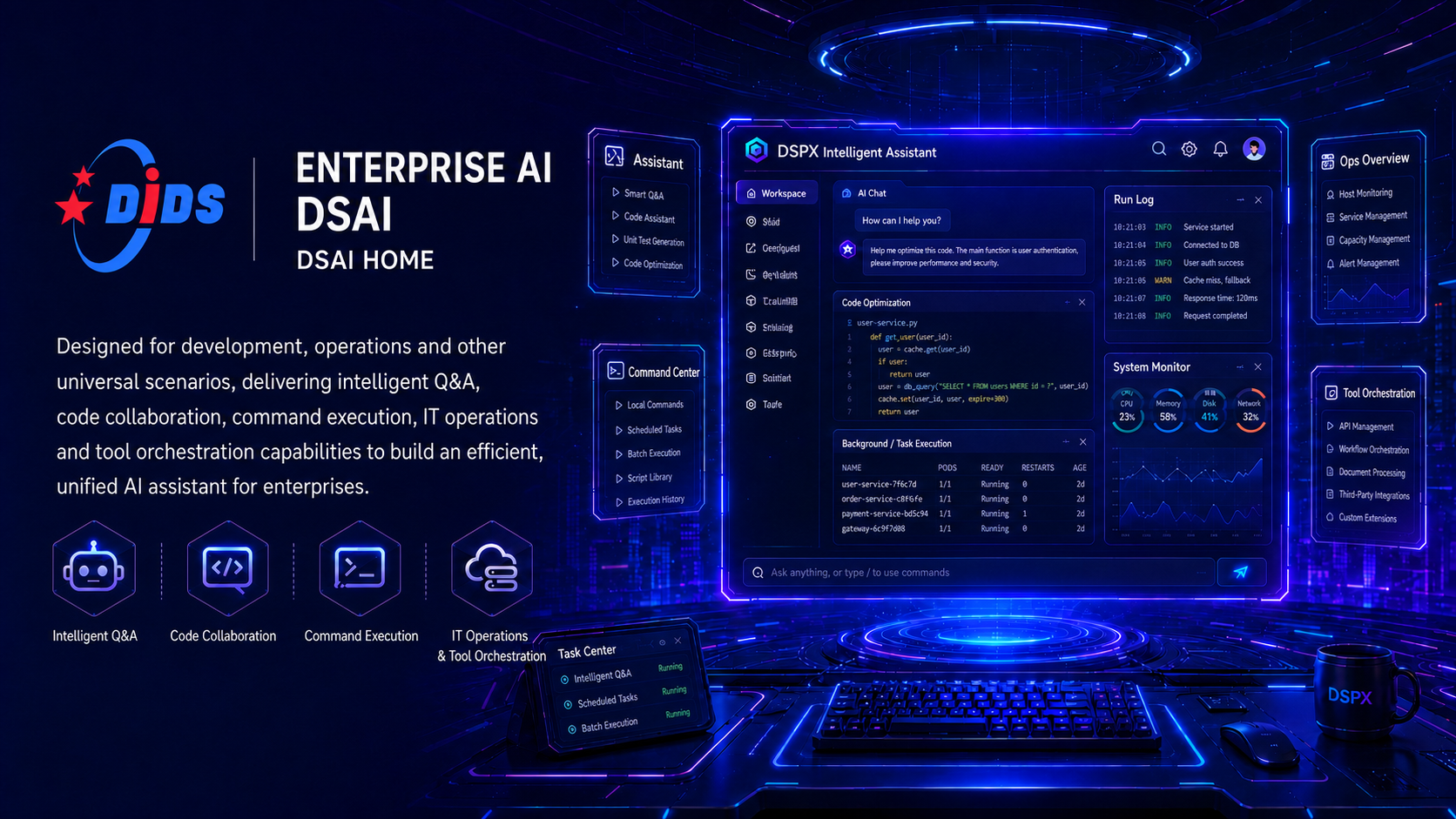
Enterprise-grade AI DSAI
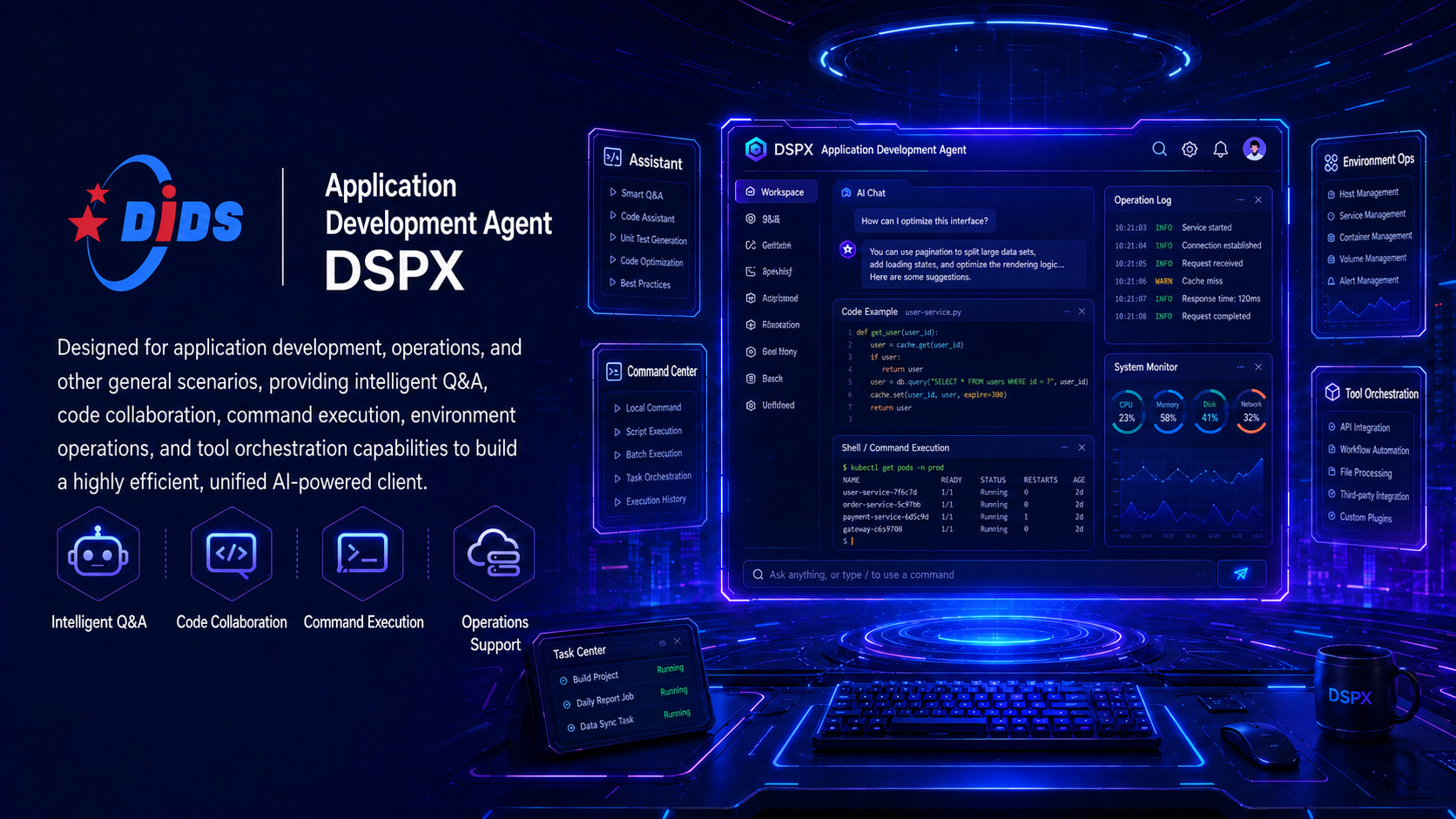
Application Development Agent DSPX
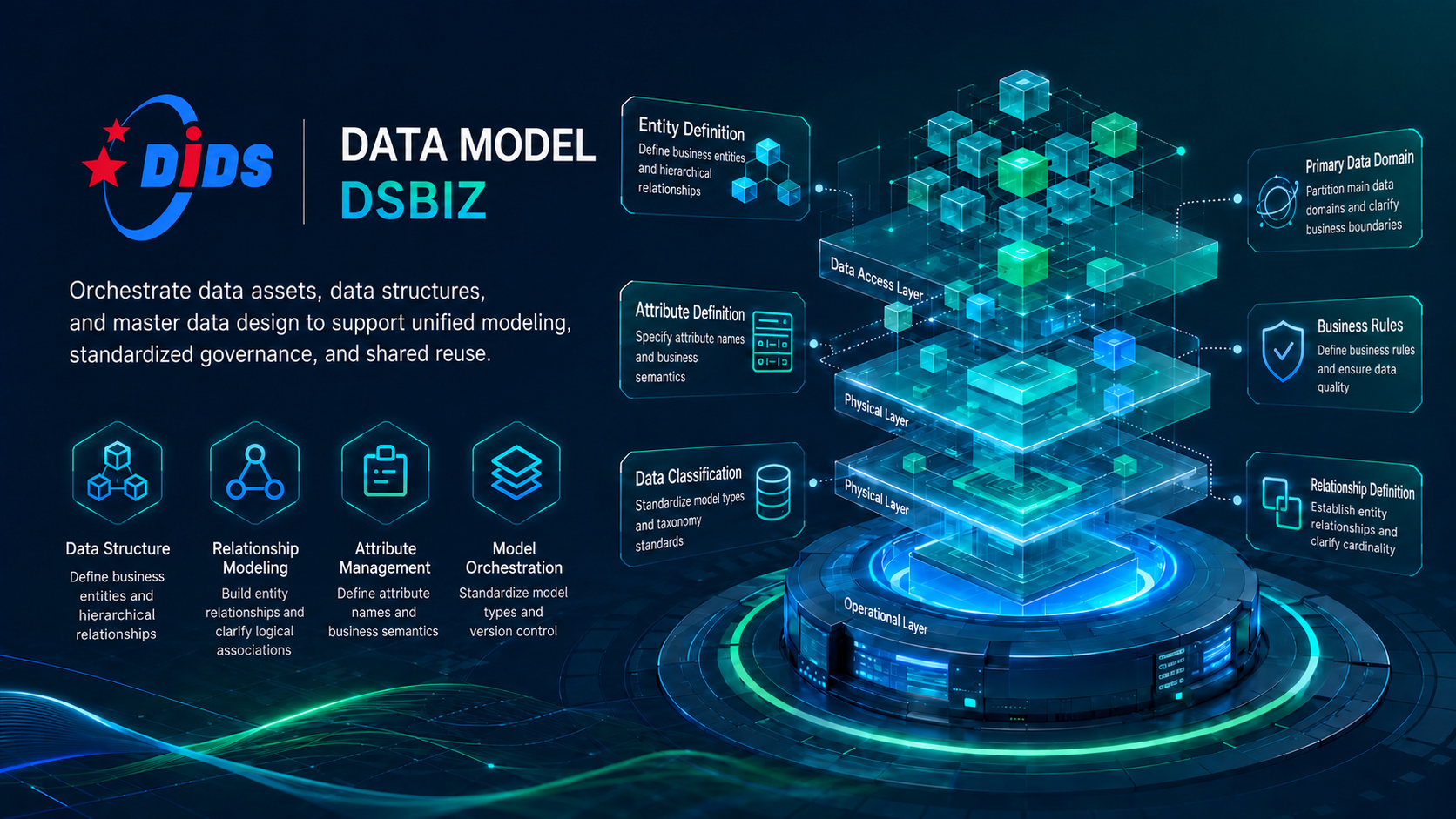
Data model DSBIZ
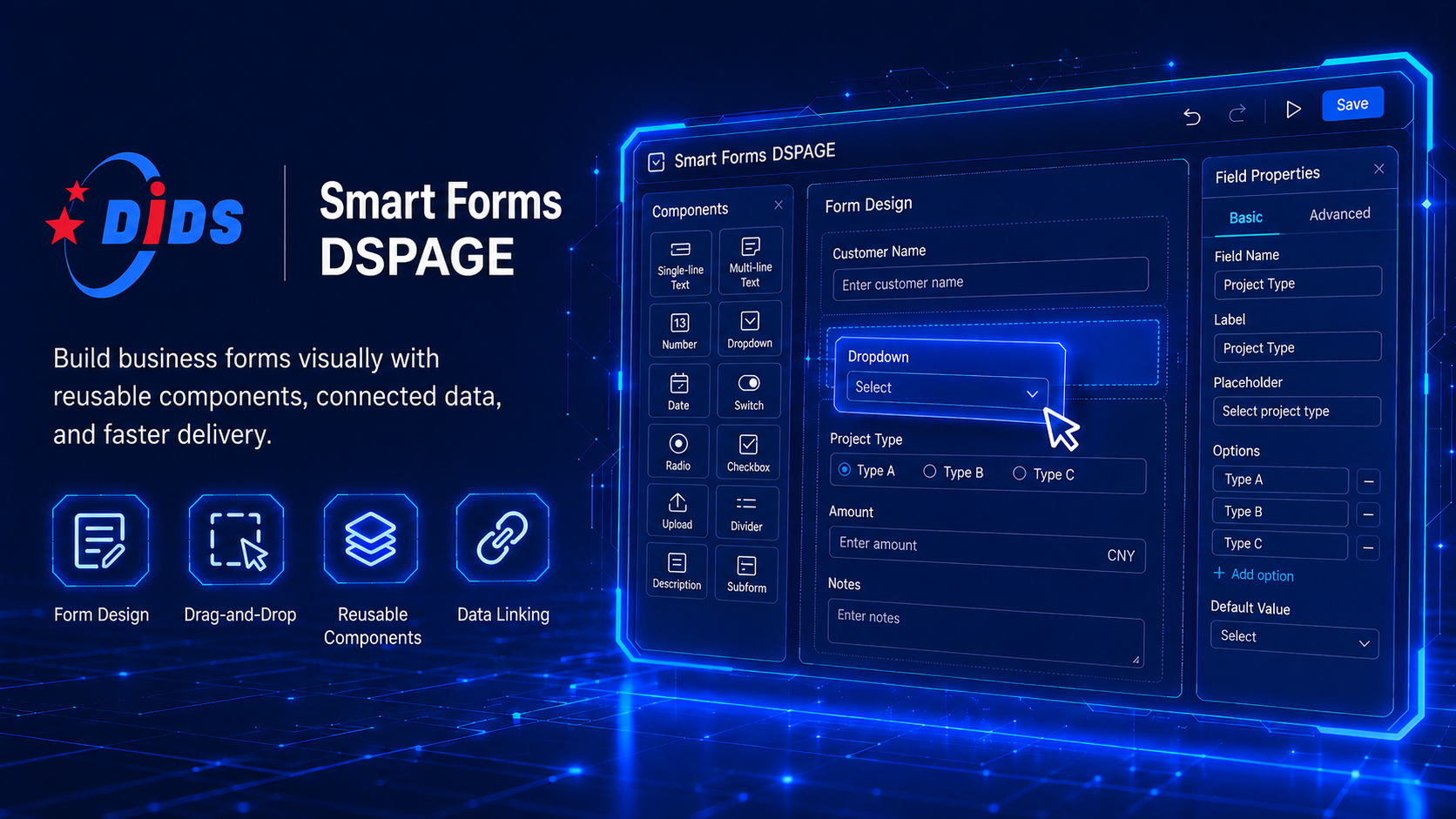
Smart Form DSPAGE
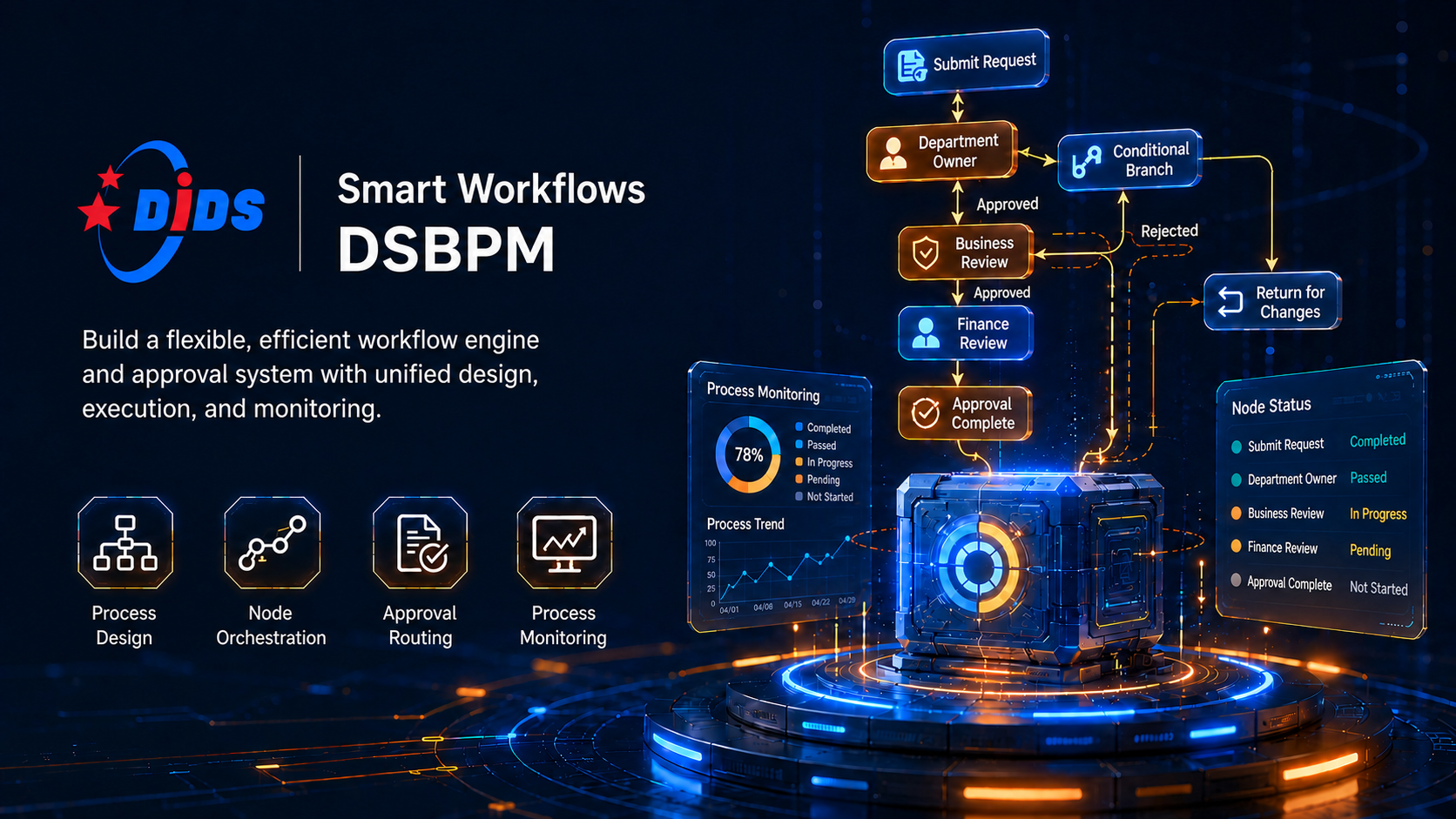
Smart Process DSBPM
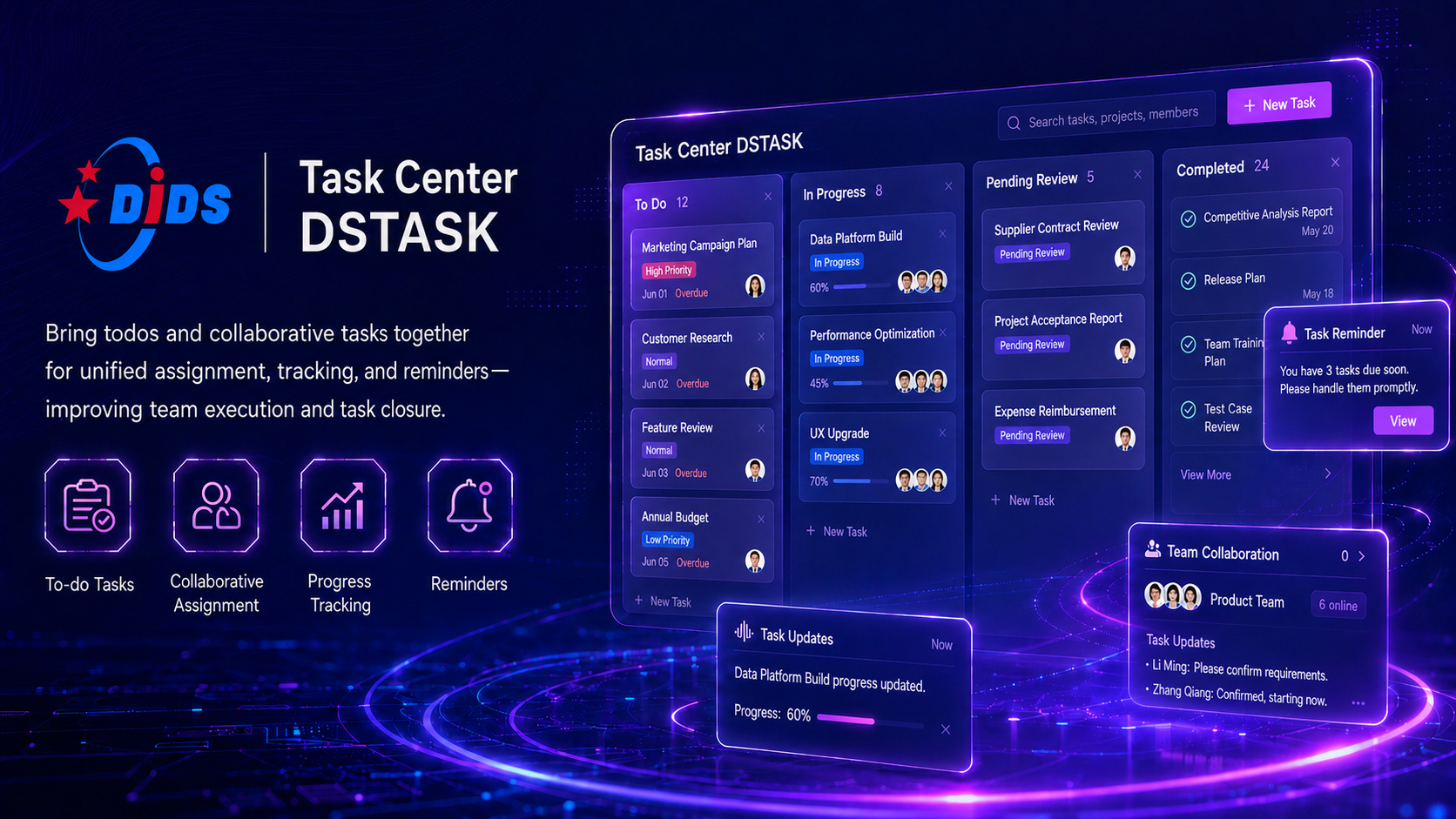
Task Center DSTASK
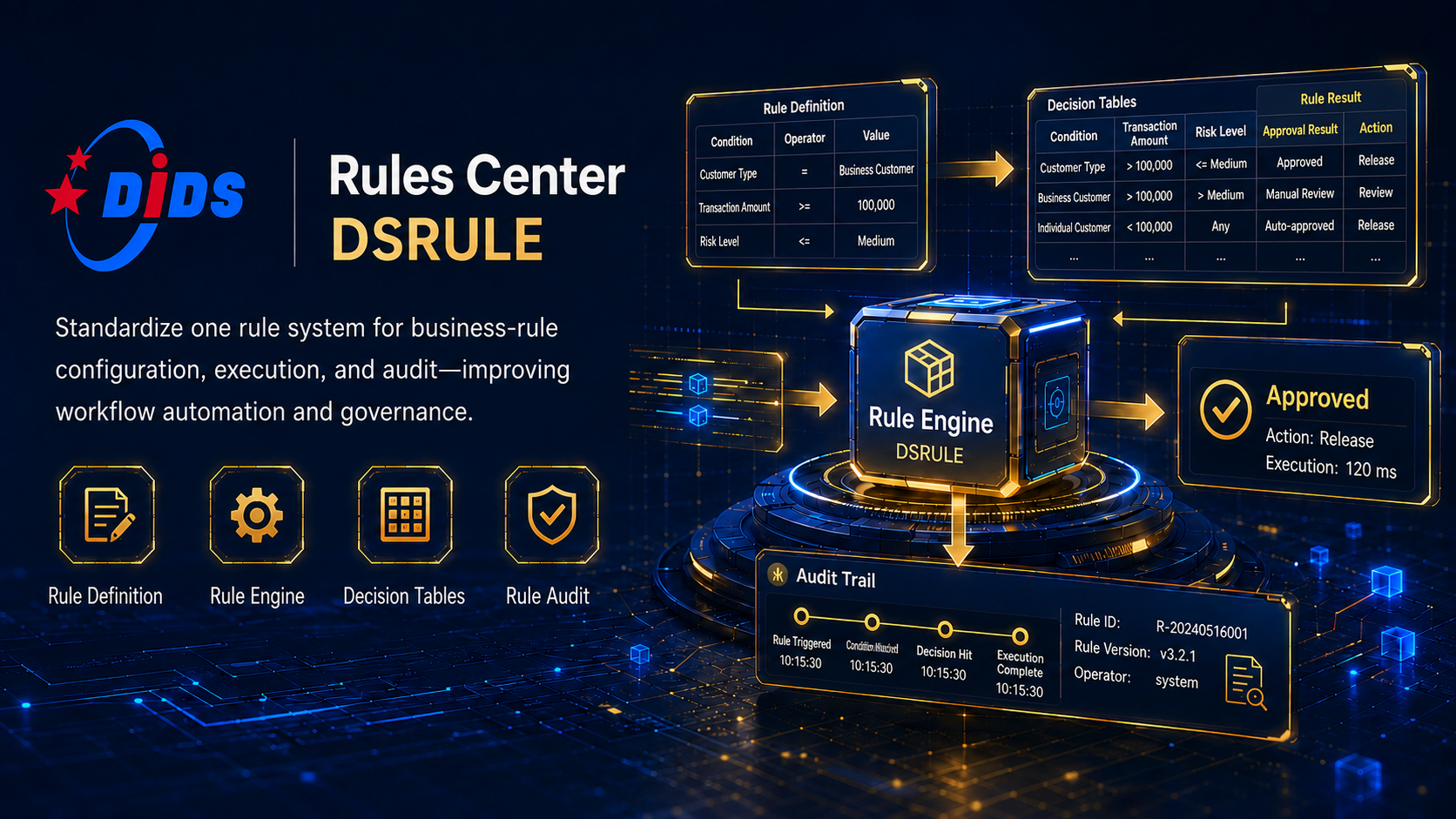
Rule Center DSRULE
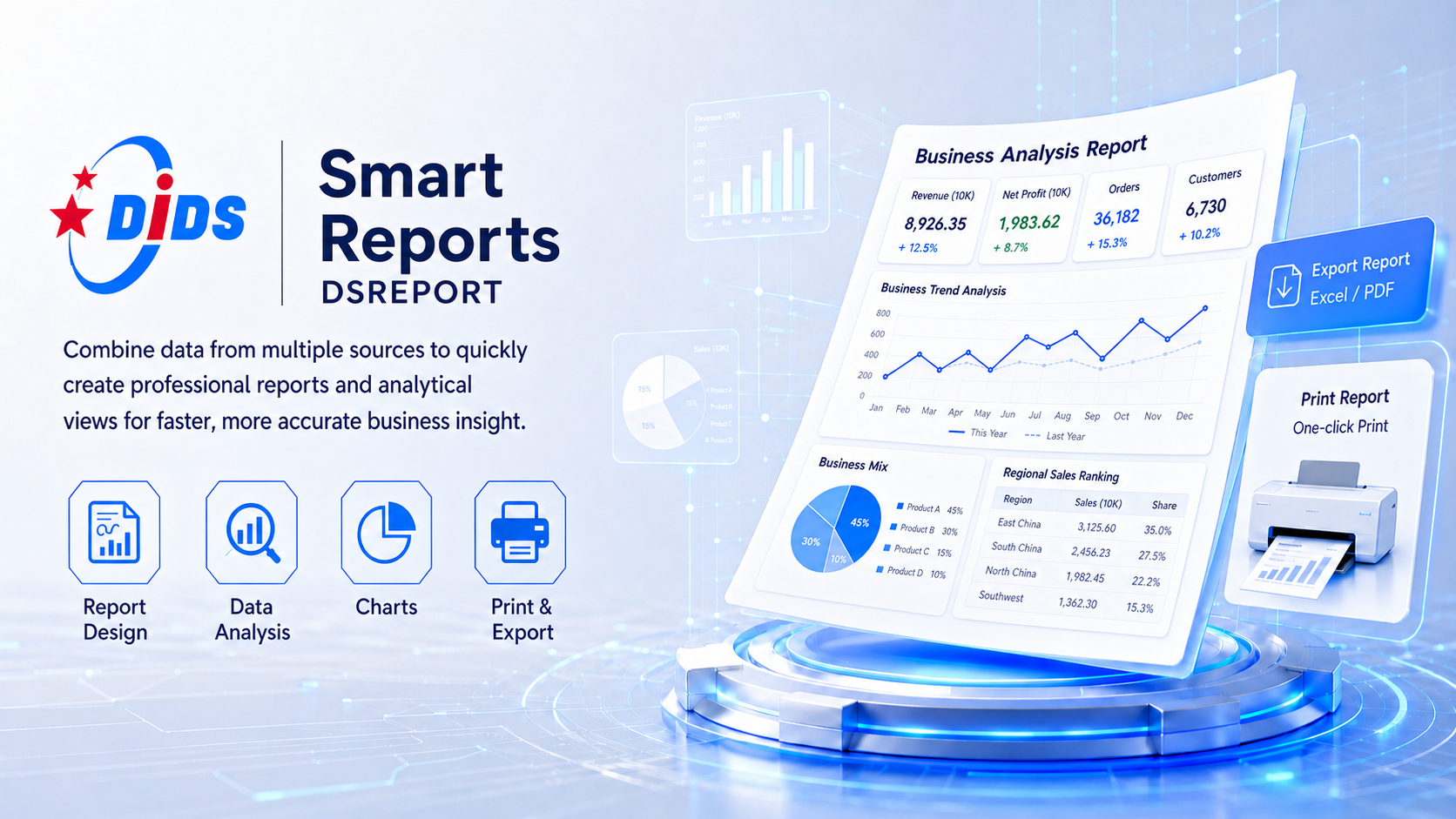
Smart Report DSREPORT
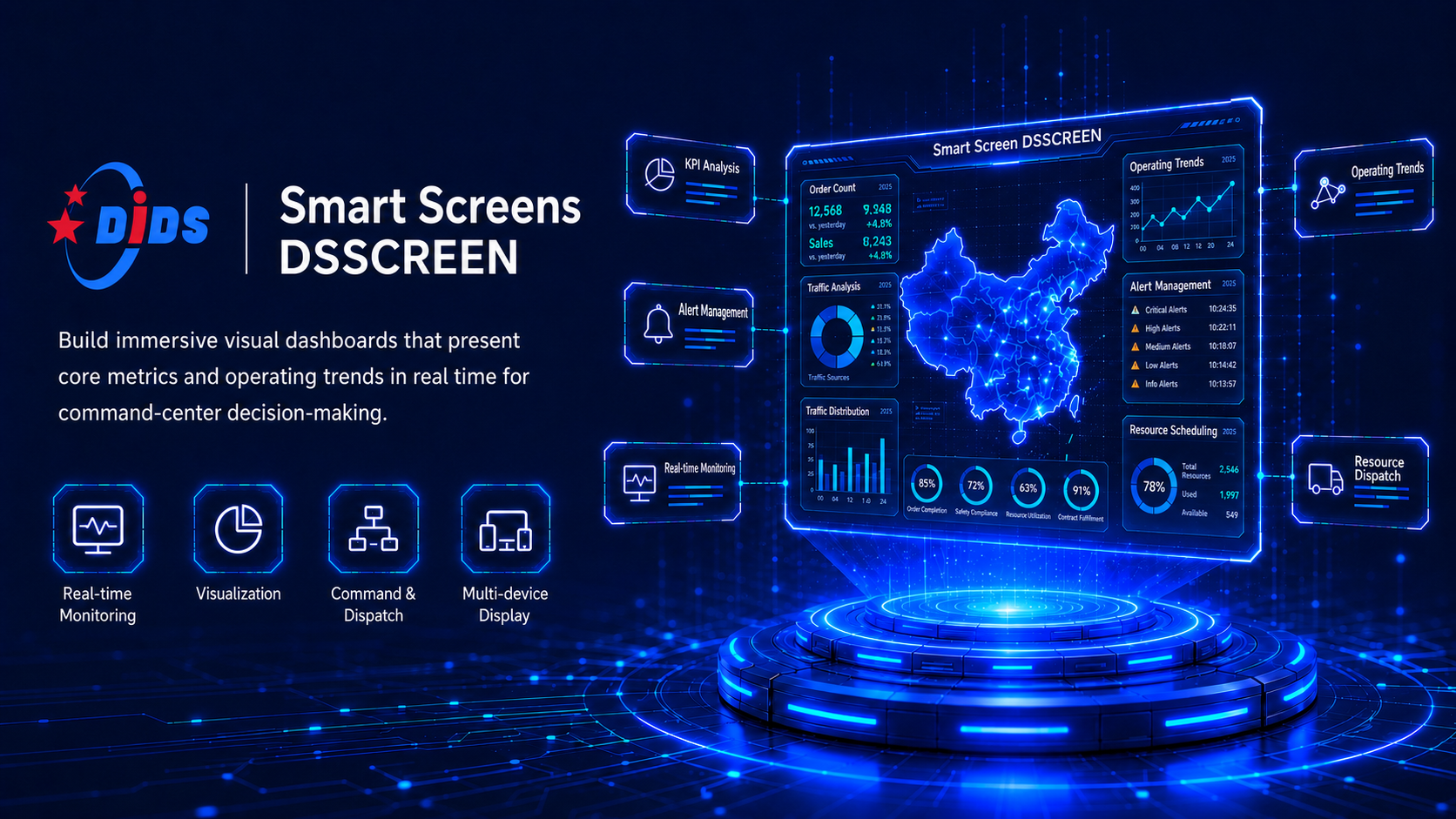
Smart large screen DSSCREEN
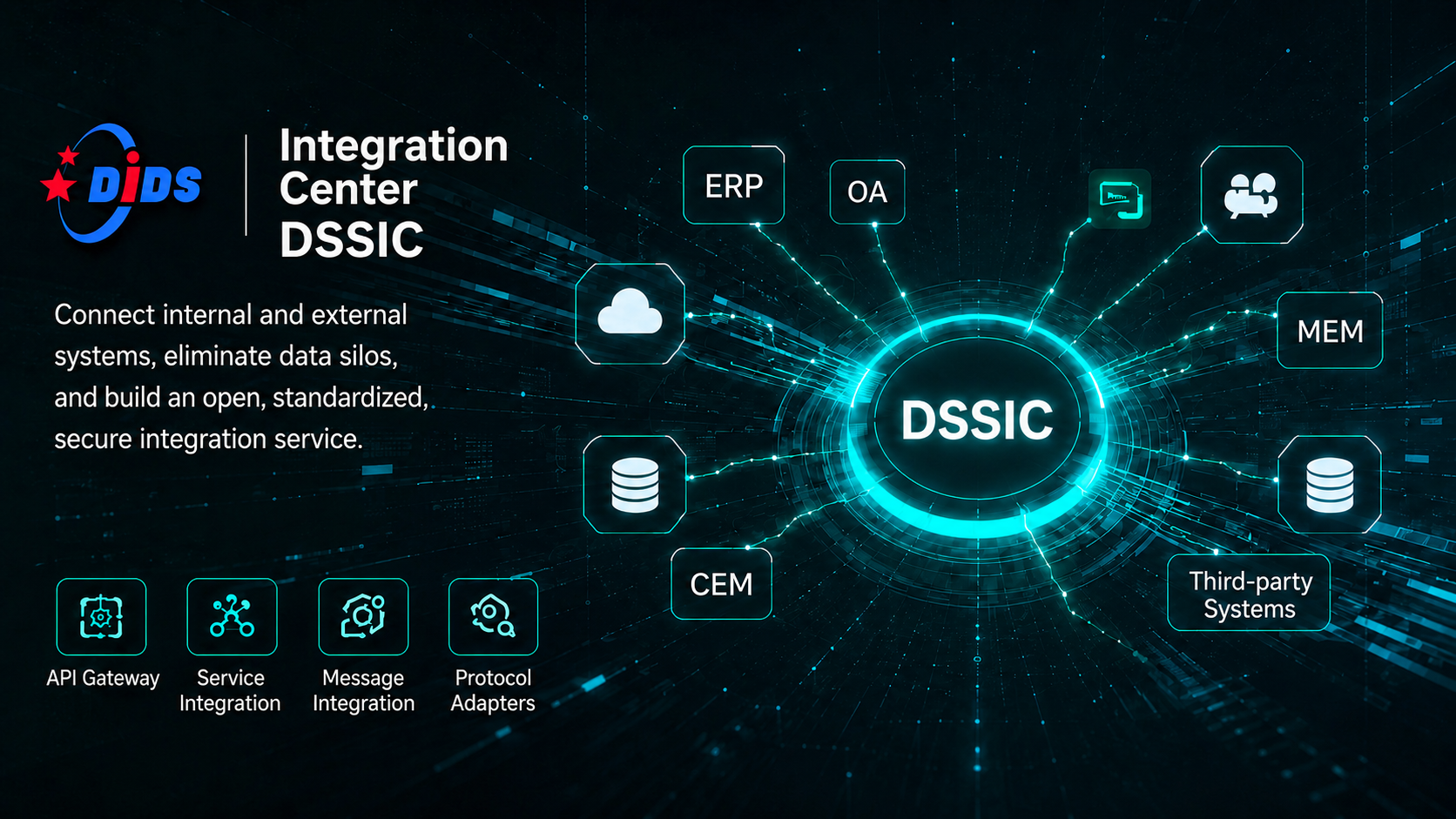
Integration Center DSSIC
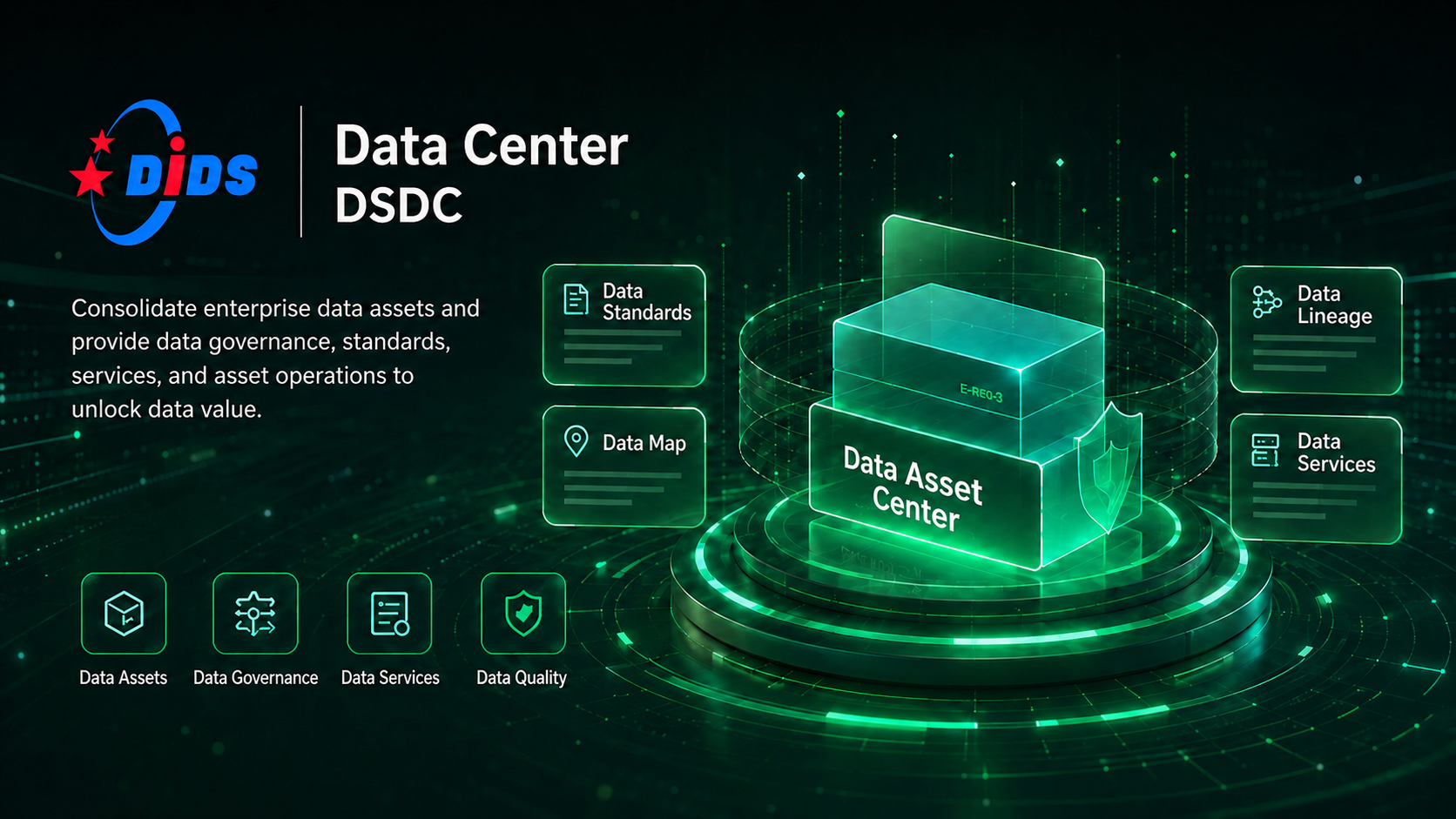
Data Center DSDC
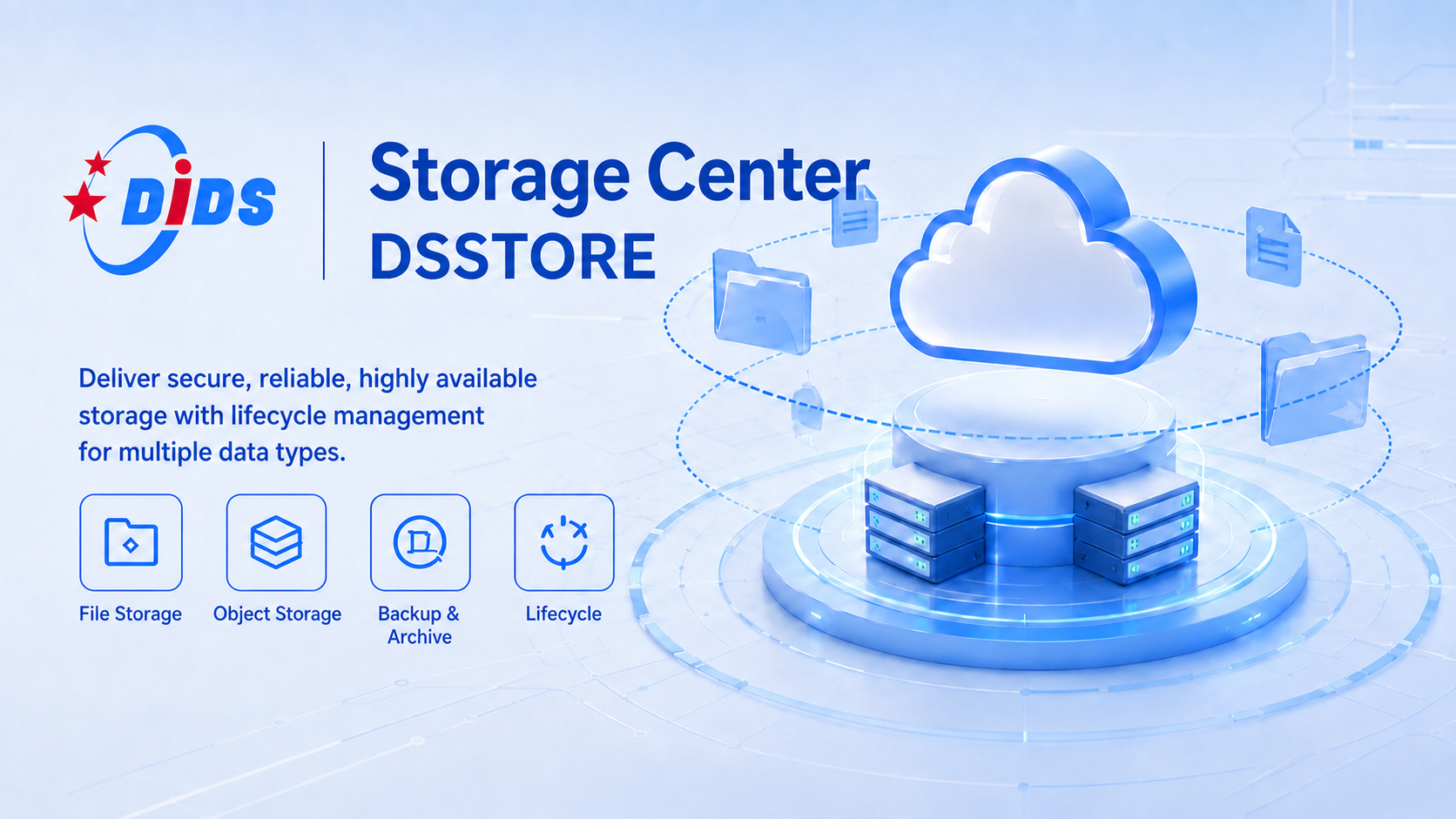
Storage Center DSSTORE
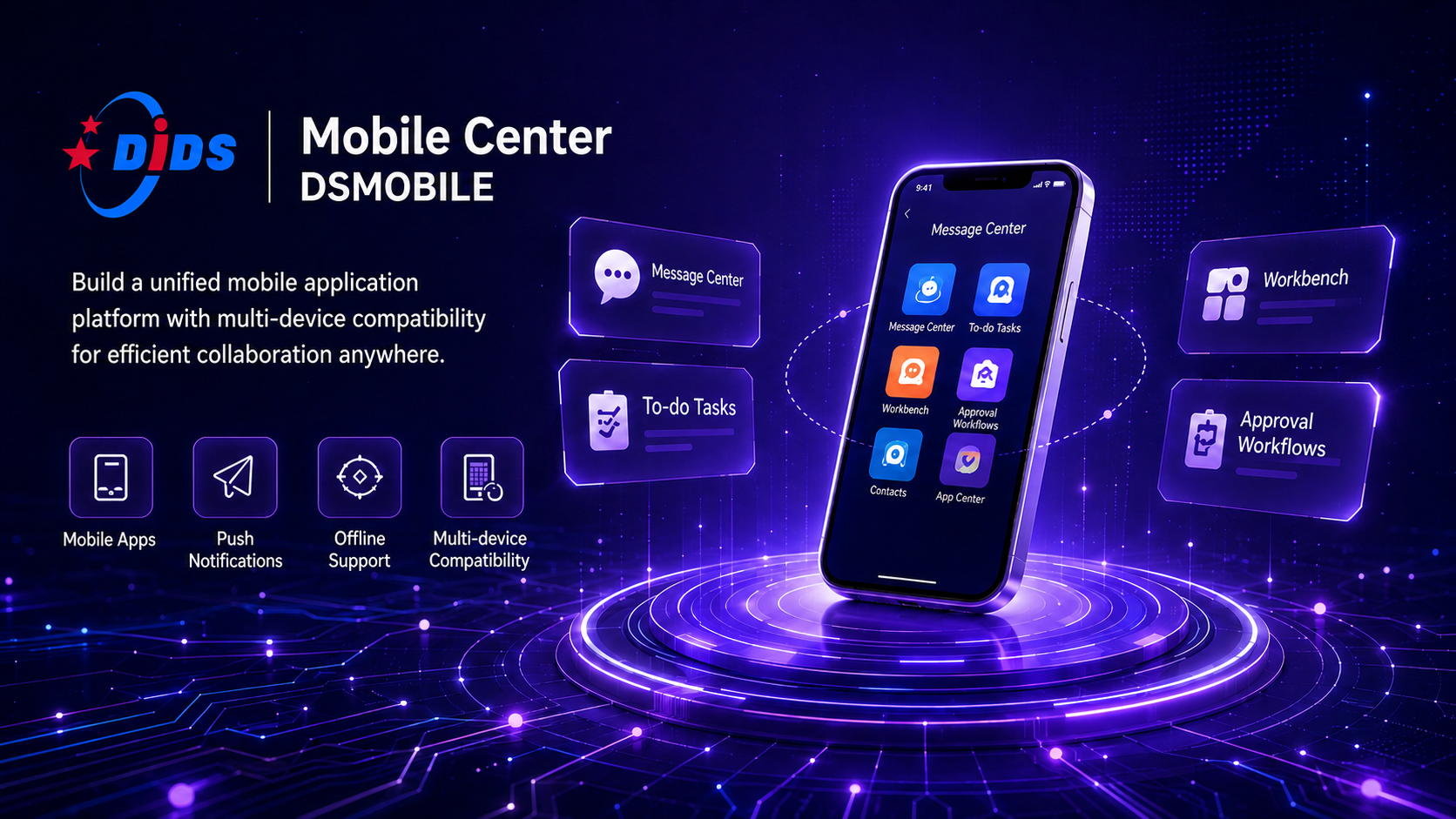
Mobility Center DSMOBILE
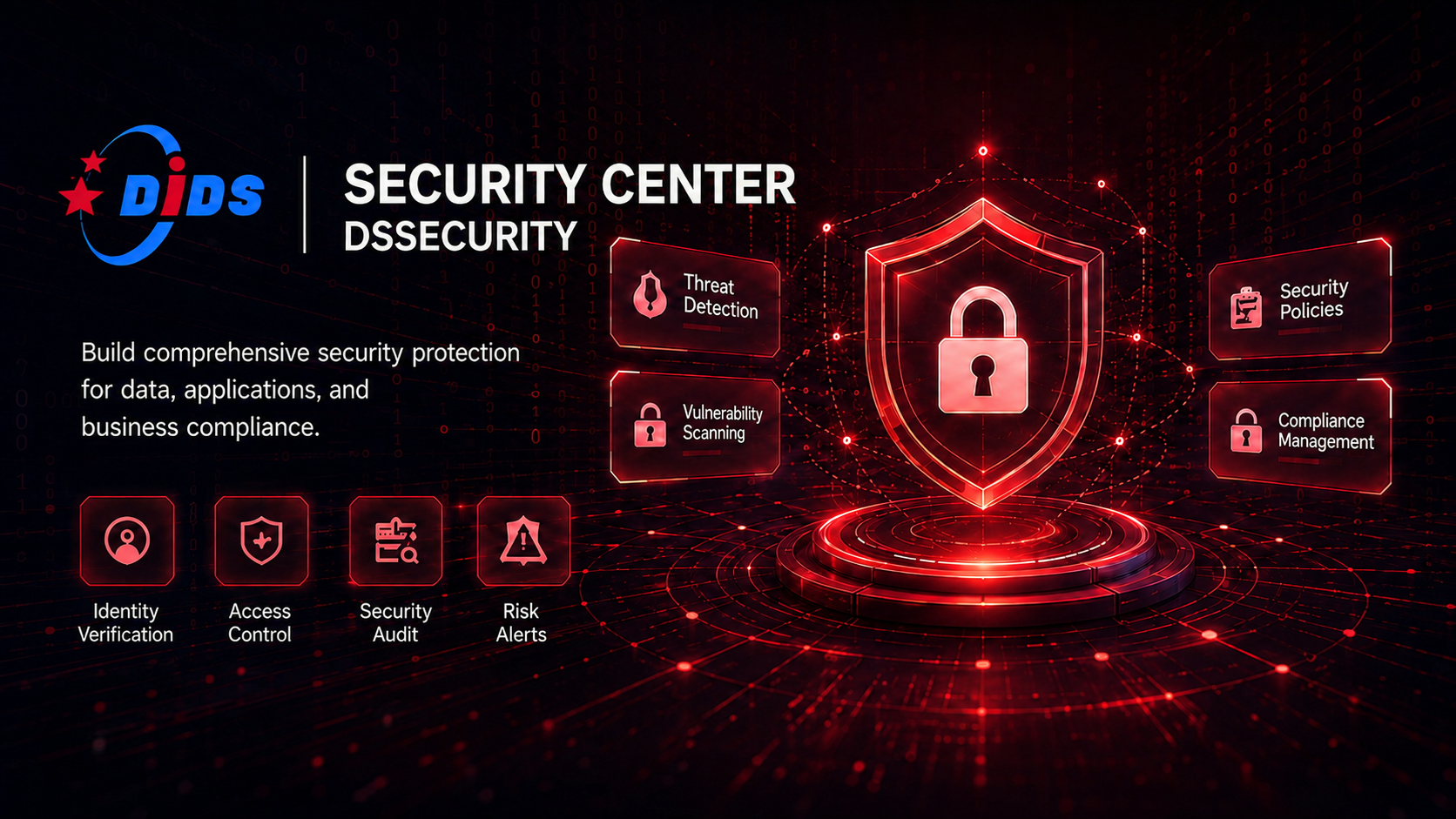
Security Center DSSECURITY
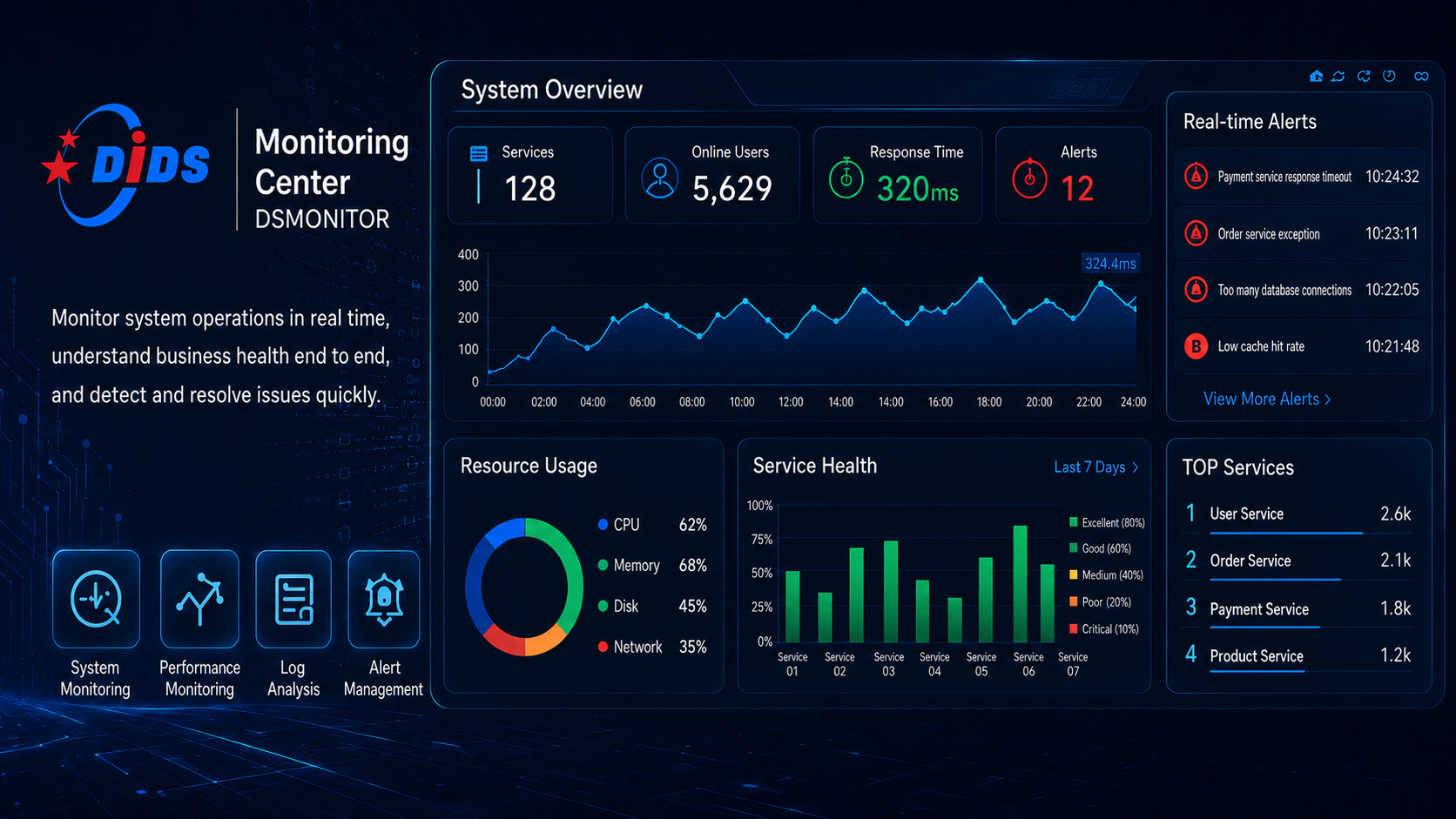
Monitoring center DSMONITOR
Five-layer enterprise-level technology architectureCovering access, application construction, data, intelligent development and operation management
Each layer works together through unified metadata, identity permissions, interface specifications and audit mechanisms, so that platform capabilities, application engineering and operating environments can be independently expanded and maintained consistent governance.
L1
unified entrance
unified portalMobile terminalworkbenchMessage to do
Achieve multi-terminal integrated collaborative experience
Access and experience layer
L2
Agile delivery
ModelingformprocessCapability reuse
Support rapid construction of business applications and capability reuse
business building layer
L3
data driven
datastorageReportBig screen center
Build an enterprise data asset and business insight system
Data and analytics layer
L4
Develop an agent
DSPXEnterprise-grade AIrules engineTask automation
Connect application requirements, development tools and DSP platform capabilities
AI application development layer
L5
corporate governance
SafetyOperation and maintenancemonitormission center
Ensure the safety, stability and sustainable operation of the platform
Governance and Operations Layer
Platform engineering valueConstruction, integration, governance, reuse and continuous operation and maintenance
Evaluate the platform with verifiable engineering capabilities: whether the business model is unified, whether the system boundaries are clear, whether the permission audit is complete, whether the operating data is observable, and whether the version can continue to evolve.
unified
Business Semantics and Technical Model
Objects, fields, relationships, rules, interfaces and permissions are defined in the same metadata system.
dialogue
DSPX application development
The development agent reads DSP specifications, application metadata, and front-end and back-end source codes, converts requirements into controlled changes, and completes operational verification.
open
System and data integration
Centrally manage APIs, messages, data sources, identities, authentication, logging and call troubleshooting.
observable
Continuous feedback on running status
Unified collection of logs, indicators, tasks and alarms provides basis for problem location and capacity management.
Governable
Permission audit and version evolution
Organizational authorizations, data boundaries, operational audits, deployment environments, and versioning processes remain under long-term control.
DSPX turns conversations into controlled DSP application changesStandardized routing, context positioning, change preview, approval execution, and run verification
DSPX conversational application development
Map requirements to DSP application assets and source code changes, covering standard routing, resource inventory, difference preview, verification, approval and operation verification.
Fine-grained permissions
Covers organization, role, menu, action, data scope and form field level authorization.
Security and Compliance
Provides identity authentication, access control, operational auditing, and enterprise-level security policies.
DSPX conversational application development
Map requirements to DSP application assets and source code changes, covering standard routing, resource inventory, difference preview, verification, approval and operation verification.
Fine-grained permissions
Covers organization, role, menu, action, data scope and form field level authorization.
Security and Compliance
Provides identity authentication, access control, operational auditing, and enterprise-level security policies.
Visual design
Models, pages, processes, rules, reports and large screens are designed and configured through the browser.
Component extension
Standard components and extension mechanisms support the reuse of complex pages, interactions, and business capabilities.
Private deployment
Supports deployment to enterprise-owned infrastructure, and implements network, data and permission isolation according to environment.
Visual design
Models, pages, processes, rules, reports and large screens are designed and configured through the browser.
Component extension
Standard components and extension mechanisms support the reuse of complex pages, interactions, and business capabilities.
Private deployment
Supports deployment to enterprise-owned infrastructure, and implements network, data and permission isolation according to environment.
Multi-terminal operation
Unified metadata drives the adaptation and release of PC, mobile and enterprise portals.
Full audit log
Record login, operations, import and export, printing, interface calls and data changes.
Integrated ecology
DingTalkEnterprise WeChatFeishuWeChat public accountWeChat appletWeChat PayAlipay paymentAlibaba CloudHuawei Cloud
Multi-terminal operation
Unified metadata drives the adaptation and release of PC, mobile and enterprise portals.
Full audit log
Record login, operations, import and export, printing, interface calls and data changes.
Integrated ecology
DingTalkEnterprise WeChatFeishuWeChat public accountWeChat appletWeChat PayAlipay paymentAlibaba CloudHuawei Cloud
Comprehensive functionality
unified entranceEnterprise-level AIagentsmart modelsmart formIntelligent processSmart portalSmart reportSmart large screenmission centerRule CenterIntegration CenterMessage centerstorage centermobile centerSecurity CenterMonitoring center
Monitoring and Alerting
Unified collection of operating indicators, task status and abnormal events, supporting alarm and handling tracking.
Source code level secondary development
Complex capabilities that cannot be covered by platform assets can be implemented in DSP front-end and back-end engineering, and continue to follow unified interfaces, permissions and verification specifications.
Comprehensive functionality
unified entranceEnterprise-level AIagentsmart modelsmart formIntelligent processSmart portalSmart reportSmart large screenmission centerRule CenterIntegration CenterMessage centerstorage centermobile centerSecurity CenterMonitoring center
Monitoring and Alerting
Unified collection of operating indicators, task status and abnormal events, supporting alarm and handling tracking.
Source code level secondary development
Complex capabilities that cannot be covered by platform assets can be implemented in DSP front-end and back-end engineering, and continue to follow unified interfaces, permissions and verification specifications.
Which scenarios are suitable for using the DSP platform?
Using DSP as a unified technology base, models, processes, data and integration capabilities are combined according to business domains, and the development, verification, release and continuous iteration of scenario applications are completed through DSPX application development agents.
scene 01
Group management and control/long-term enterprise development scenario
Solve the pain points of the group's multiple subsidiaries and multi-department systems being fragmented, data blocked, authority confusion, and management opaque. Unify the entrance, organizational structure, authority system, data standards and process calibers to achieve penetrating management of subordinate units from the headquarters, avoid duplication of construction and system islands, significantly reduce the cost of long-term digital transformation, and improve organizational collaboration efficiency.
Core value: Unify the enterprise's digital intelligence base, improve organizational collaboration efficiency, and reduce repeated investment in digital intelligence and operation and maintenance costs.
scene 02
Manufacturing scene
To solve the pain points of dispersed production data, lagging manual statistics, untimely discovery of abnormalities, and reliance on experience for decision-making, we build an operational cockpit to monitor core indicators in real time, automatically trigger abnormal warnings and intelligent analysis, reduce manual verification costs, improve production response and problem handling efficiency, and make management decisions more scientific and accurate.
Core value: Management controls business status in real time, relies on data to make scientific decisions, and improves production management efficiency.
scene 03
Enterprise global operation and management scenario
Solve the pain points of departmental system barriers, disjointed processes, non-sharing of information, high communication costs, and slow business flow, open up internal system data and processes, shorten approval execution links, eliminate information gaps, improve cross-department collaboration efficiency, speed up response to customer needs, and reduce internal operating costs.
Core value: Improve business execution efficiency, speed up customer response, and reduce corporate operating costs.
scene 04
Cross-system interconnection & rapid implementation of new services
It solves the pain points of long development cycles, high costs, repeated reinvention of wheels, and complex system interfaces for new business development. Based on platform capabilities and template reuse, new businesses and new lines can be quickly launched, reducing development workload, reducing marginal construction costs, improving business expansion efficiency, and supporting rapid enterprise growth.
Core value: Achieve capability reuse, reduce costs and increase efficiency, and quickly support business innovation and large-scale expansion.
Open, compatible and widely integrated, seamlessly connect the company’s existing system and partner ecosystem
It supports multiple integration methods such as organizational structure, address books, messages, and databases, and is compatible with mainstream clouds, collaborative offices, AI large models, and localized technology stacks, reducing lock-in risks and protecting existing IT investments.












Build a digital and intelligent base for sustainable enterprise evolution
DSP is used to uniformly carry enterprise applications and operation management, and DSPX is used to connect application analysis, modeling, development, construction and release, making the business system construction into an application project that is reusable, manageable, and sustainable iteration.